
Chemo Brain makes us feel discouraged – as if the chemotherapy were not bad enough all by itself! However, there is research that offers suggestions of things we can do to help ourselves. I’m Jeffrey Kendall Sapp. As a person who was diagnosed with cancer in 2019 and who underwent extensive chemotherapy, I want to share some tips with you about dealing with it. Below is a list of five helpful habits.
Boosting Brainpower After Chemotherapy:
“Chemo brain”—that foggy, forgetful feeling many cancer patients report during or after chemotherapy—is real. It’s medically known as cancer-related cognitive impairment (CRCI) and affects memory, concentration, and mental clarity. Fortunately, research offers hope. Here are five proven ways to sharpen your mind after chemo:
1. Get Moving – Chemo Brain Responds to Physical Activity!
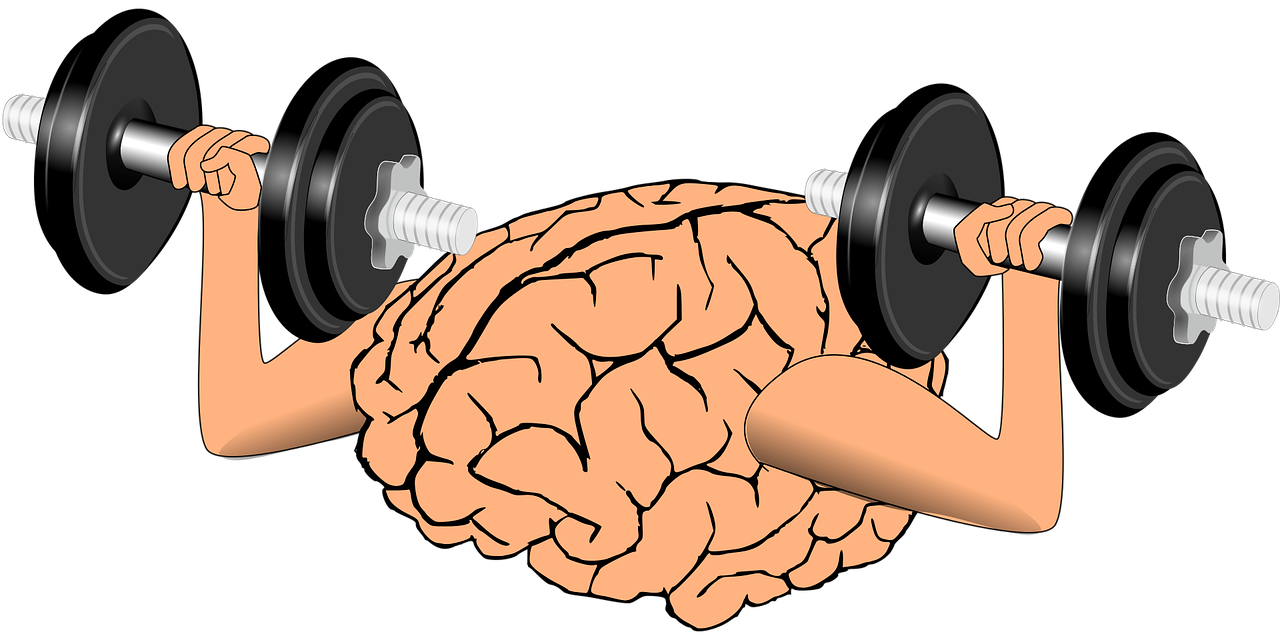
Regular physical activity improves cognitive function by increasing blood flow to the brain. A 2020 meta-analysis in Psycho-Oncology found that aerobic and resistance exercises significantly improved memory, attention, and executive function in cancer survivors (Galiano-Castillo et al., 2020).
2. Practice Mindfulness or Meditation to Clear Chemo Brain and Balance Emotions

Mindfulness-based interventions, including meditation, have been shown to reduce cognitive complaints and improve mental clarity. A study in Journal of Cancer Survivorship found breast cancer survivors who practiced mindfulness reported improved memory and reduced mental fatigue (Janelsins et al., 2016).
3. Train Your Chemo Brain with Games and Other “Cognitive Training Programs”

Cognitive training programs—like puzzles, memory games, or apps like Lumosity—can improve attention and memory. A 2013 randomized trial in Clinical Breast Cancer showed that computer-assisted cognitive training improved verbal memory and executive function (Kesler et al., 2013).
4. Sleep Well – Chemo Brain May Respond to Consistent Routines – of the Healthy Kind!
Poor sleep worsens cognitive function. Good sleep hygiene—consistent bedtime, limited screens, and relaxation rituals—can boost brain recovery post-treatment. A Sleep Medicine study linked better sleep quality with fewer cognitive complaints in cancer survivors (Chan et al., 2018).
5. Eat Brain-Friendly Foods – Not Foods That Feed Cancer and Chemo Brain

It has long been known that red meats, processed foods, and sugars are HORRIBLE for health. Anything that causes the body to be more acidic than alkaline should be avoided. Read about The Alkaline Diet: An Evidence-Based Review, posted by Healthline.
Omega-3s, antioxidants, and anti-inflammatory foods support brain health. A review in Nutrients suggested that a Mediterranean-style diet may mitigate chemo brain symptoms (Wienk et al., 2022).
Small steps can make a big difference. Your brain can bounce back—nurture it with movement, mindfulness, and nourishment.
DISCLAIMER: Neither I nor this website makes any claims about prevention, diagnosis, treatment, or cure for physical illnesses or symptoms. I am merely recounting my own experiences after having researched the topic. I am neither a doctor nor a nutritionist. This content is for informational and educational purposes and does not provide individual medical advice. Contact your health provider with any questions about your situation and any products you choose to use. If you are taking medications, talk with your doctor or pharmacist about whether any foods are contraindicated while you are taking those medications.

We Advocate, Educate, & Motivate!
Please select a valid form
Author: Nancy (Ayanna) Wyatt, Life Coach & Spiritual Counselor
Nancy (Ayanna) Wyatt, Author, CLC, MHT, TNLP + Reiki Master, Spiritual Counselor, Life Coach, Teacher, Trainer, Writing/Editing, Infographics, Web Content and Blogging Services. She helps people – from all walks of life – see their own beauty so they can heal and thrive, mentally, emotionally, physically, and spiritually.