
Personal hygiene accidents can be humiliating for the patient and sometimes for the caregiver.
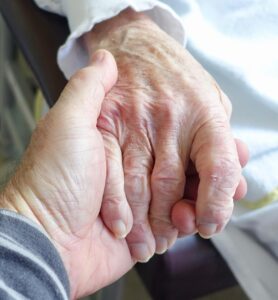
Preserving Dignity: How to Handle Personal Hygiene Accidents with Grace
As caregivers, we often face moments that weren’t in the “brochure.” One of the most difficult challenges is helping a loved one after a bladder or bowel accident. These moments are “delicate,” but they are also deeply sacred opportunities to show love and respect.
When an accident happens, the person you are caring for likely feels a mix of shame, fear, and loss of control. How we react in these first few seconds can either heal their spirit or hurt their pride.
Personal Hygiene: The Power of Your Presence-Stay Calm
The most important thing you can “do” is to stay calm. If you look disgusted, frustrated, or rushed, your loved one will feel like a burden.
- Watch your face: Keep your expression neutral and kind.
- The “No Big Deal” approach: Treat the accident like a spilled glass of water. It’s unfortunate, but easily fixed.
- Use a soothing voice: Talk about something else (the weather, a favorite memory, or what’s for dinner) to distract them from the embarrassment. Another technique you can use is to ask them something you know is of interest to them (i.e., What’s the latest news from your grandchildren, or what are you planning to get the kids for Christmas?). Ask about anything pleasant and distracting from the current situation.
What to Say: Scripts for Kindness
Words matter. Avoid saying “It’s okay,” because to them, it doesn’t feel okay. Instead, try these professional and compassionate phrases:
- “I’ve got you. We’ll have you feeling fresh and clean in just a few minutes.”
- “Don’t worry about this at all. My only goal is to make sure you are comfortable.”
- “This is just a part of the body doing its thing. Let’s get you into some clean clothes.”
Competence is Compassion: The Personal Hygiene Clean-Up Process
Being organized makes the process faster, which reduces the time the patient feels exposed.
- Privacy First: Close the curtains and lock the door. Even if they are confused, their bodies deserve privacy.
- The “Warm” Touch: Always use warm water and soft wipes. Cold water can cause a “startle” response and make them feel even more vulnerable. I recommend purchasing a warmer for baby wipes. Keeps the cloths/wipes warm and at the ready.
- The Shower Technique: If a shower is needed, let them hold a towel over their chest or lap. This “security blanket” helps them feel less naked while you work.
Enhancing the Personal Hygiene Clean-up Process
Time permitting, here are a few other suggestions.
- A Wonderful Surprise: Try giving your person a “spa treatment.” It doesn’t have to be elaborate. Use a different lotion or scented oil that you keep just for these occasions.
- Massage Option: To elevate their mood, you could give them a facial or gentle shoulder massage to relieve the tension.
- Mani/Pedi: This would be a great time to give a little extra attention to their nails. Provide your person with a nice manicure or pedicure.
Handling the Personal Hygiene Clean Up Professionally
To stay calm, you need to feel in control of the environment.
Start with the basics BEFORE the accidents happen.
We are fortunate that in this era of caregiving, there are many items available on the market that can help us before a “clean up” process begins.
- Explore Using a PureWick System. It is a non-invasive external catheter for individuals with urinary incontinence. There are systems for men and women.
- Depends and Pad inserts. These are invaluable in the daily life of a caregiver. The big box stores oftentimes have them available to purchase in bulk.
- Bedding and other items. Waterproof mattress covers and Incontinence pads (chucks), these are a must for any and all caregivers.
When You’re On the Road
- Prepare a “Go-Bag”: (I recommend one for home and another for travel). Keep some water, Non-rinse soap, sanitizing spray and/or gel, gloves, trash bags, clean linens, extra pads, depends and a change of clothes in one spot so you don’t have to run back and forth.
- Schedule restroom breaks. Keeping to a restroom schedule may help avoid accidents. This won’t always be the case but, in general, it can be useful for those individuals with less “control” over their bodily functions or have limitations in their ability to communicate their needs.
- Always know where the restrooms are: When you’re out and about with your care recipient, you will need the clear, most direct route to a restroom.
After Your Person Is Safely Back in Their Space
- Contain the Scent (if needed): Use a neutralizing spray in the affected rooms (not just a perfume) so the room feels like a home again.
-
A Final Thought for Caregivers on Providing Personal Hygiene
Remember, you are not just “cleaning up.” You are protecting the dignity of a human being. When you handle these moments with a gentle hand and a steady voice, you are giving them the greatest gift possible: the knowledge that they are still worthy of respect, no matter what their body is going through.
Note: Diane Chew is also a caregiver who has some great recommendations on this topic. Click here. This is her Instagram account. Please take a moment after you have finished reading this blog to view her page. She is another beautiful representation of caregiving and leading with love.
Shannon Sapp
Caregiver &
Tablescape/Decor Designer

I hope you have found some value in my blog today. If you haven’t already done so, please subscribe to this website. Let’s keep the conversation going! Let me know if there are topics you would like me to cover in future posts.
NOTE RE AI: These thoughts represent my own thinking and experiences, but were enhanced in places by using AI to organize the content.
DISCLAIMER: I am not a licensed expert in health fields or nutrition, nor am I certified in any medical capacity. I am simply sharing research that I’ve gathered from reliable sources, together with my own experiences, so that we all may learn something along this journey.
Neither I nor this website makes any claims about prevention, diagnosis, treatment, or cure for physical, emotional, mental, or spiritual illnesses or symptoms. This content is for informational and educational purposes and does not provide individual medical advice. Contact your health provider about your situation.

Because Caring Matters Most…
Wisdom Earned, Love Given
Click here to see additional posts

Author: Shannon Sapp: FBC & Signature Designs by SAS
Shannon is a seasoned, Master Caregiver, who had to learn on the job, as she helped her husband through through death-defying moments, hours, days, months, and years. Simulaneously, she cares for two other people with life-threatening issues, and she does this 24/7/365! She's often asked, "How do you DO that?" and has decided to share her ideas to help other patients, caregivers, their families, and supporters. Now, she and her husband are leaders in advocacy for cancer research and in teaching both patients and caregivers healthier ways of living. She also designs interior decor and tablescapes under Signature Designs by SAS.