
Less Grief = Better Health, So It Would Be Wise to Deal With It As Soon As Possible!
Hello, friends! I’m so glad you’re here. As the co-founder of Flourishing Beyond Cancer, LLC, I am asked, “Jeffrey, how did you beat the odds?” People see me thriving for several years past my “expiration date” and want to know my secret. While I’m a big fan of modern medicine, I always tell them to look at their hearts and their thinking.
We often think of grief as just a “sad feeling” in our heads. But grief is heavy. If you don’t unpack it, you’re carrying a heavy suitcase every single day. Eventually, your “physical house” (your body) starts to creak under the weight. Today, we’re talking about how holding onto that pain for too long can actually change your biology and potentially lead to big health problems, including cancer.
I’m no expert in “the Body/Mind Connections,” but I’ve learned this much in recent years.
“Less Grief = Better Health” is a true saying. However, it’s only realistic if we allow ourselves to feel the grief that comes from loss first. Then, we need to go through the steps of processing the grief so that we can acknowledge, accept, and release it enough that positive thinking can prevail. That comes from remembering “the good stuff,” not just the pain. And, here at Flourishing Beyond Cancer, we’re going to begin to delve into these topics in some detail as we all learn together.
Less Grief = Better Health

What is Unprocessed Grief?
Think of unprocessed grief like a sandwich you left in the back of the fridge. You didn’t finish it, and you didn’t throw it away. You just ignored it. Over time, it gets moldy, starts to smell, and ruins everything else in the fridge.
Grief is the same way. It’s not just about losing a loved one; it’s about any major loss. You can feel deep grief over the loss of a job, a dream, or even your old life before a diagnosis.
When we “tough it out” or pretend we’re fine, that energy doesn’t just vanish. It stays inside, creating tension and “emotional toxins” that eventually need a way out.
Less Grief = Better Health

The Science of “Bottling It Up”
When we hold onto grief, our bodies stay in a state of high alert. Imagine your body is a castle. Grief is like a constant alarm bell ringing in the courtyard. If the bell rings for five minutes, no big deal. If it rings for five years? The guards (your immune system) get exhausted.
Science shows that long-term stress (including the kind caused by deep, hidden grief) keeps your “fight or flight” response turned on. This releases a hormone called cortisol. A little cortisol helps you run from a bear. Too much cortisol for too long? It starts breaking down your body’s natural defenses.
Less Grief = Better Health

The Inflammation Connection
Here is the “nerdy” but important part:
Chronic grief leads to chronic inflammation.
Inflammation is like a tiny fire inside your cells. Usually, your body uses it to heal a cut. But when you are stuck in grief, that fire spreads and keeps burning everywhere.
Cancer cells love a “fiery” environment. Research suggests that chronic inflammation can damage your DNA. When your DNA is damaged, cells can start growing out of control. That’s essentially what cancer is. By not dealing with our sadness, we are accidentally giving cancer a supportive environment in which to thrive.
Less Grief = Better Health
The Immune System on Strike
Your immune system has “Natural Killer” cells. I like to call them the “Body Police.” Their job is to find weird-looking cells and get rid of them before they become tumors.
When you are drowning in unprocessed grief, your Body Police go on strike. They are too tired from dealing with your stress hormones to do their real job. This “immune suppression” makes it much easier for cancer to get a foothold. I’ve seen it in my own journey. When I finally let myself cry and scream about my losses, I felt my physical strength start to return.
Less Grief = Better Health

Mental Health and Physical Fallout
Prolonged grieving doesn’t just hurt your cells; it changes your habits. When we are stuck in deep pain, we might stop sleeping, eat junk food for comfort, or stop moving our bodies. We call this “secondary risk.”
If you’re too depressed to eat a vegetable or go for a walk, your body loses the fuel it needs to stay healthy. These mental health issues, like clinical depression or anxiety, act like a “force multiplier” for physical illness. It’s a snowball effect that we need to stop before it turns into an avalanche.
Less Grief = Better Health
The Power of the “Mind-Body” Bridge
You might be thinking, “Jeffrey, are you saying I gave myself cancer?” Absolutely not! Please hear me: this is not about blame. It’s about power.
Understanding that your emotions affect your health gives you a tool for healing. If holding onto pain can hurt us, then releasing that pain can help heal us. We have to build a bridge between our minds and our bodies. When we start to process the “yucky stuff” inside, we create an environment where health can actually flourish.
Less Grief = Better Health

Tools to Start the Healing
So, how do we start unpacking that “moldy sandwich” in the fridge? It starts with being honest. You don’t have to be “brave” for everyone else all the time. You don’t even have to be brave for yourself all the time. Healing begins with recognizing behaviors that can cause problems and choosing to change those habits.

Hypnotherapy And Meditation
Hypnotherapy is one of many tools that might help you get some peace. It’s not like the movies where someone clucks like a chicken. It’s just a way to talk to your subconscious mind and let go of old hurts.
Meditation is another great one. It’s like hitting the “reset” button on those loud alarm bells in your body’s castle.
Our friend, Life Coach and Spiritual Counselor, Nancy Wyatt, will share tools and techniques in some of her blogs on this website to help us learn. Click here to read one she posted in November 2025. She can work with you as individuals or groups, as well. She has done more work in this area. Consequently, I’ll mention only a few helpful ideas in this post.
Less Grief = Better Health

Writing Your Way Out
Journaling is a cheap and easy way to process grief. I tell people to do a “brain dump.” Write down every angry, sad, or “ugly” thought you have. Don’t worry about grammar. I’m an author, and even I let the grammar go when I’m healing!
When you put the pain on paper, it’s no longer sitting in your chest. It’s “out there.” This simple act can actually lower your cortisol levels and give your immune system a chance to breathe. It’s like taking the trash out so your house stays clean.
Less Grief = Better Health
Finding Your Community
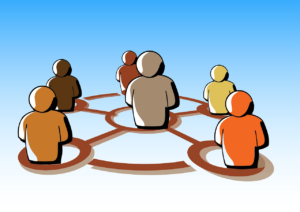
You don’t have to do this alone. In fact, you shouldn’t. Isolation is a huge fuel for cancer and grief. Finding a support group or a therapist who specializes in grief can be a game-changer.
At Flourishing Beyond Cancer, LLC, we believe in the power of “Me Too.” When you hear someone else say they feel the same way, the weight of your grief gets a little lighter. Sharing your story is like opening a window in a stuffy room. The fresh air of community helps clear out the toxins of long-term sadness.
Less Grief = Better Health

A Final Word of Hope
I’ve lived with cancer for a long time, and I truly believe that “letting go” saved my life. Grief is a part of life, but it doesn’t have to be the end of your story.
By facing your pain, you are literally changing your body’s chemistry. You are turning off the inflammation and waking up your immune system. You are choosing to flourish. Remember, you aren’t just a patient. You are a whole person with a heart that deserves to be healed.
Book Jeffrey Now for a Free Initial Chat on Zoom

If you would like to talk for about 30 minutes before deciding whether to book me, use the contact form below, or send an email to JeffreyKendallSapp@gmail.com and put “Request Free Chat About (whatever your topic is). I’ll email you back so we can coordinate schedules to talk about your needs and my services.
After our initial 30-minute session, if you’d like to continue our conversation or explore a consultation, we can arrange a plan that works for you.
Note re AI: The concepts in this blog are mine, but some of the content was enhanced by my use of AI for organization to ensure “Chemo Brain” did not win!
DISCLAIMER: I am not an expert in the field of body/mind connections, nor am I certified in any medical capacity. I am simply sharing research that I’ve gathered from reliable sources, so that we all may learn and begin our own investigations. Neither I nor this website makes any claims about prevention, diagnosis, treatment, or cure for physical, emotional, mental, or spiritual illnesses or symptoms. This content is for informational and educational purposes and does not provide individual medical advice. Contact your health provider about your situation.
I look forward to chatting with you!

We Advocate, Educate, & Motivate!
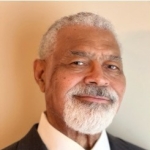
Author: Jeffrey Sapp, Motivational Speaker Who Is Flourishing Beyond Cancer!
After an exemplary, 30-year career in the Navy, Jeffrey found himself leading an aggressive personal war against his rare form of cancer. As a Master Caregiver, who had to learn on the job, Shannon saw him through death-defying moments, hours, days, months, and years. Now, they are leaders in advocacy for cancer research and in teaching both patients and caregivers healthier ways of preparing food that allow the body to use its natural resources to fight off this and other diseases.