
Neuroplasticity – A Simple Definition Related to Changing Habits
“Neurons that fire together, wire together.” (Hebbian Theory)
“Neurons that fire out of sync fail to link.”
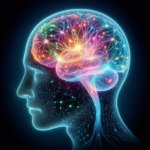
- Neuroplasticity is the process in which the brain “rewires” itself.
- Every time a person learns something new or has a new experience, the brain creates new connections between its cells.
- This helps people learn, grow, recover from injuries like strokes, and adapt to new situations.
- It also can “wire in” an expectation of pain, increasing the intensity or prolonging the duration longer than is caused by the actual illness or injury that initially caused it to emit a distress signal.
- You can use it to change habits by deciding to do that and choosing new ways of thinking or behaving. When the new pattern is repeated often, neuroplasticity can strengthen the connections between cells and in the mind, making actions easier to remember and enact more quickly and with greater skill.
- Changing habits for the better usually takes more than a minute, and we’ll explore details below.
In simple terms, neuroplasticity is the brain’s way of updating its own software so it works better and can handle whatever life throws at it. We’ll explore the top 3 ways to help it help us change habits.
Neuroplasticity – A More Scientific Definition
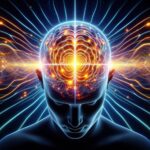
Neuroplasticity is the ability of the brain to form and reorganize synaptic connections, especially in response to learning or experience or following injury. ~ Lisa Kreber, PhD CBIS
Out understanding of Neuroplasticity matters when you wish to change habits that don’t serve you well. We think Habit Change is difficult. Negative thinking = negative consequences. Fix it!
Habit Change is difficult – or, at least, we make it so by thinking that it is true. Why do we care if it’s difficult or easy?
1) We care because habits of negative thinking result in negative emotions, which can result in negative health consequences.
2) We are the only people who can change our thinking habits and attitudes. No one else can do it for us, no matter how hard they try.
If we are to Be Well, we must learn to Think Well and to Respond Well to challenges. Let’s delve into how and why – with some suggestions for tools we can use for self-care.
Top 3 Habit Change Methods to Increase Neuroplasticity Support of Your Desires

The top three scientifically supported strategies for effectively changing habits are consistent repetition, environmental structuring, and implementation intentions, each of which is backed by behavioral science research.
 DAYS
DAYS
Let’s get started!

Consistent Repetition Increases Neuroplasticity Activity
Performing a new behavior regularly over time strengthens neural pathways, making it easier and more automatic. Research suggests it takes an average of 66 days for a new behavior to become a routine, with cues and repetition increasing habit formation success.
It reminds me of the advertisement that urged us to “Lather, Rinse, Repeat,” which is now part of our lexicon.
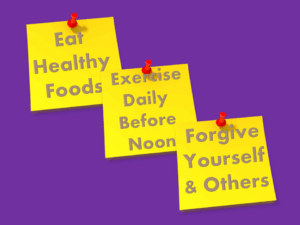

Environmental Structuring
Modifying your surroundings to support the desired behavior.
- In practice, that means doing things like:
- 1) Remove temptations. If sweets are visible, you’ll probably want to eat some each time you pass by.
- 2) Remove obstacles. If your exercise equipment has become a clothes rack for laundry-bound items, you are less likely to get into the mood for exercise and to remove the items to use the equipment.
- Conversely, place reminders, such as wellness images or short messages about goals or tasks. “Memory Ticklers” can greatly increase your habit formation.
- Setting up consistent cues (like visual triggers or organized spaces) helps prompt the action repeatedly, reducing reliance on willpower.
- You can place the notes or pics on the fridge, doors, laptop screens, car dashboard, or anywhere you are likely to look several times a day. That often means putting them in the kitchen, bathroom, and any workspace.
- You can use apps that provide online reminders and notes, as well.



Implementation Intentions
(“If-Then” Planning)
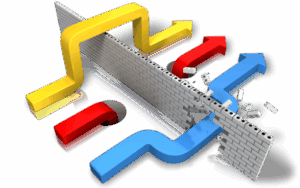
When you face obstacles or changes in plan, figure out (in advance, if you can) whether you will prevail by going over, under, through, or around the challenge.
1) Intentionality
2) Mental Anticipation of Possible Obstacles
3) Advanced Problem Solving and
4) Imagination Rehearsal
Creating specific “if-then” action plans.
Here are some examples.
- Repeat Frequently: “If it is 7 AM, then I am meditating for 10 minutes.” That thought bridges the gap between intentions and actions.
- Choose: “If it is my lunch hour, I am including fresh veggies, even if it’s just a few carrots or celery sticks.”
- Imagine: “If I am feeling stressed, then I am instantly reminded to stop and take three, slow, deep, cleansing breaths while thinking, ‘All is well. I am safe. I can handle this,’ with each breath.”
OR
- Decide: “If I can’t exercise in the morning, then I’ll do some repetitions before preparing dinner.”
- Choose an Action: “If the exercise equipment is hidden under dirty clothes, I will put the clothes in the laundry early in the day, so it is ready for me to use before I fix dinner.”
- Plan: “If I know we’re going to talk about finances, then I’ll meditate for several minutes before we get together, and I’ll practice calming breathing techniques while we’re talking.”
AND
In each of these examples, imagine yourself doing what you say you’ll do – preferably by picturing yourself doing it and allowing there to be feelings and sensations in your body as if you were already doing it. Whether it’s putting away the clothes and then exercising, or breathing deeply and sending out vibrations of calm during discussions about money and bills – imagine it as fully as possible before you attend to other things.
This approach uses mental rehearsal to prepare for obstacles, boosting follow-through and behavior consistency.
Neuroplasticity means the brain’s ability to change and adapt, even as a person gets older.

Neural plasticity (or neuroplasticity) principles strongly support habit change by explaining how the brain forms, strengthens, and rewires neural pathways through repeated behaviors and new experiences.
How Neuroplasticity Supports Habit Change
Repetition Builds Stronger Pathways: Every time you repeat a new action or thought, the corresponding neural circuits in your brain get stronger and more efficient. This is a process called long-term potentiation. Over time, this makes your new habit more automatic and easier to perform.
Long-term potentiation (LTP) is a persistent, activity-dependent strengthening of synapses between neurons, generally considered the cellular basis for learning and memory. It involves increased neurotransmitter response via AMPA receptor insertion, often triggered by high-frequency stimulation (HFS) and calcium influx.
YouTube +4
Neuroplasticity Works Both Ways!
Replacement of Old Habits:
Forming new habits doesn’t just mean creating new pathways; it also means that old, unused pathways weaken, making it less likely for undesirable habits to resurface. The more you practice the replacement behavior, the more you strengthen the new circuitry and fade the old habit.
Specificity and Mindful Practice

Neuroplasticity principles emphasize that targeted, specific practice (not just general “positive thinking”) yields the most efficient rewiring for habit change. Conscious attention to triggers and rewards enables you to proactively reshape your automatic behaviors.
Mindfulness can enhance neural plasticity in habit formation by increasing present-moment awareness, emotional regulation, and intentional repetition, all of which can help you create and strengthen new neural pathways in the brain.
Emotional Engagement Enhances Neuroplasticity!

I repeat: When you engage your emotions while practicing new habits, you can further reinforce neural rewiring, making the change sustainable. Allow the fullness of what you feel in your body and emotions. If that seems too bland, then IMAGINE what you wish to feel and allow those sensations to fill you while you practice. PLAY WITH IT! I know that is contrary to our sense of discipline, but playing – as if we were children – enhances the processes.

Visualization and Mental Rehearsal: Mental imagery primes the brain to activate the same neural networks, supporting the process of behavior change even off-task.thetouchpointsolution
Summary
Neural plasticity empowers habit change by allowing you to build, strengthen, and modify the brain’s networks through repeated, specific, and emotionally engaged practice until the desired behavior becomes automatic and enduring.
startmywellness
Want to Use Neuroplasticity Principles to Overcome PTSD?
Click here to link to my blog about Neuro-linguistic Programming (NLP) as it relates to overcoming PTSD. NLP can be useful in overcoming all kinds of challenges and “bad habits.” I’d be happy to discuss it with you in a Sip & Share Session on Zoom.
Who Wants To Talk About It?
If you would like to take a class or have a consultation about this, feel free to contact me for a Sip & Share Session on Zoom (that I’ll arrange for you). Click here to learn more about my other coaching and counseling services.

We can have a FREE first session to explore whether and how I may best help you.
How to Get the Free Session
Email me at GetWellStayWell@Outlook.com and put “Request Sip & Share” in the subject line. In the body of your email, tell me what topic you want to discuss. I’ll reply so we can coordinate schedules, and then we can chat. There is no obligation for you to book me for a class or consultation thereafter. However, if you want us to explore further, we will make the arrangements.

DISCLAIMER
Neither I nor this website makes any claims about prevention, diagnosis, treatment, or cure for physical, mental, emotional, or spiritual illnesses or symptoms. I am merely recounting my own experiences and research on these topics. This content is for informational and educational purposes and does not provide individual medical advice. Contact your health provider with any questions about your situation and any products or services you choose to use.
Note: AI was used for research on neuroplasticity and provided links below our logo image.
Self-Care Is the New Health Care
Let’s Get Well, Stay Well, and Live Well!

AI Provided These References for Neuroplasticity & Habit Change Topics
https://theconversation.com/heres-what-happens-in-your-brain-when-youre-trying-to-make-or-break-a-habit-201189
https://www.accesstherapy.ca/speaking-with-my-therapist-blog/principles-of-neuroplasticity
The Science of Habits: How to Rewire Your Brain for Positive Change
https://www.uclahealth.org/news/article/forming-new-habits-involves-creation-new-neural-pathways
https://choosemuse.com/blogs/news/rewiring-your-brain-how-neuroplasticity-shapes-our-habits-and-health
https://www.counselling-directory.org.uk/articles/habits-and-neuroplasticity-how-do-habits-impact-mental-health
https://thetouchpointsolution.com/blogs/mindfulness/neuroplasticity-and-habits-how-changing-your-brain-can-change-your-life
https://pmc.ncbi.nlm.nih.gov/articles/PMC6701929/
https://www.healthline.com/health/the-science-of-habit
https://www.health.harvard.edu/mind-and-mood/tips-to-leverage-neuroplasticity-to-maintain-cognitive-fitness-as-you-age
https://www.psychologytoday.com/us/blog/beyond-school-walls/202410/rewire-your-habits-rewire-your-life
https://www.ncbi.nlm.nih.gov/books/NBK557811/
https://news.nd.edu/news/the-neuroscience-of-behavioral-change-why-intention-attention-and-persistence-matters/
https://www.sciencedirect.com/science/article/abs/pii/S235215461730089X
https://pmc.ncbi.nlm.nih.gov/articles/PMC3491815/
https://www.sciencedirect.com/science/article/pii/S0006899325002021
https://mcpress.mayoclinic.org/healthy-aging/the-power-of-neuroplasticity-how-your-brain-adapts-and-grows-as-you-age/

Author: Nancy (Ayanna) Wyatt, Life Coach & Spiritual Counselor
Nancy (Ayanna) Wyatt, Author, CLC, MHT, TNLP + Reiki Master, Spiritual Counselor, Life Coach, Teacher, Trainer, Writing/Editing, Infographics, Web Content and Blogging Services. She helps people – from all walks of life – see their own beauty so they can heal and thrive, mentally, emotionally, physically, and spiritually.